
Understanding LCL Shipping Malaysia: What You Need to Know for International Shipping

Global trade has never been more dynamic, and for many Malaysian businesses, exporting products overseas is no longer a luxury, it’s a growth necessity. Yet, not every shipment fills an entire container. That’s where LCL shipping in Malaysia comes in, offering flexibility, cost-efficiency, and access to global markets without the high price tag of full container loads.
At our logistics team, we’ve helped countless exporters navigate this smarter shipping method. In this article, we break down how LCL shipping in Malaysia works, its benefits, and what every international shipper should know before choosing this option.
What Is LCL Shipping And How It Works
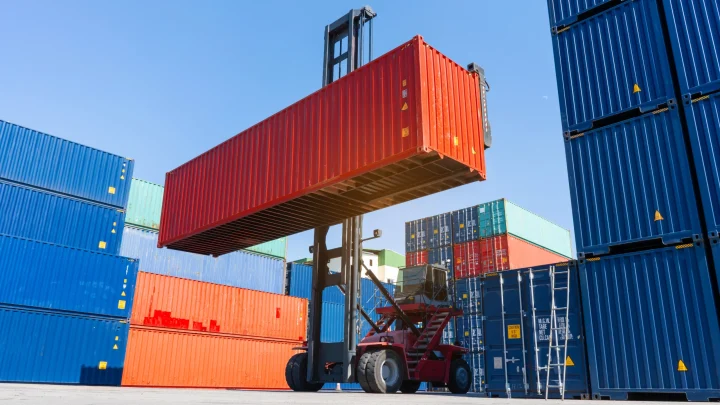
LCL (Less-than-Container Load) shipping is a method where multiple shipments from different exporters are consolidated into one container bound for the same destination. Instead of paying for an entire container, you only pay for the space your cargo occupies.
For Malaysian businesses expanding into international markets, LCL shipping in Malaysia is a practical way to keep logistics costs under control while maintaining reliable delivery schedules. Freight forwarders handle the consolidation process—grouping compatible goods, managing customs paperwork, and ensuring that shipments reach their destination ports efficiently.
Why Businesses Choose LCL Shipping For International Trade

The growing competitiveness of global trade makes efficiency crucial. Here’s why LCL shipping in Malaysia has become a preferred solution among exporters:
- Cost-Effective for Small Loads – Paying only for the space used lowers overall freight expenses, especially for SMEs that don’t yet have bulk export volumes.
- Flexible and Scalable – Businesses can start small and scale shipments as demand grows, without the pressure of filling an entire container.
- Global Accessibility – Most major shipping routes from Port Klang and Penang support LCL, giving Malaysian exporters access to key destinations across Asia, Europe, and North America.
- Sustainable Choice – By sharing space in containers, LCL optimizes cargo loads and reduces the carbon footprint of international transport.
Simply put, LCL shipping in Malaysia allows businesses to stay competitive in the global market while maintaining financial control.
Key Considerations Before Choosing LCL

1. Packaging And Labeling Standards
Because your cargo shares space with others, secure packaging is critical. Use sturdy materials and follow international shipping standards to prevent damage during handling or consolidation.
2. Transit Time
Since shipments are consolidated, LCL shipping in Malaysia may take slightly longer than full container shipments due to additional handling and coordination. Planning ahead helps minimize potential delays.
3. Customs And Documentation
Ensure all export documentation is accurate, from commercial invoices to packing lists, to avoid customs clearance issues. Working with an experienced logistics provider can simplify this process and prevent unnecessary costs.
How To Maximize Efficiency With LCL Shipping

To make LCL shipping in Malaysia work best for your business, a few strategic practices can go a long way:
- Plan shipments early – Booking in advance secures better sailing schedules and rates.
- Work with a trusted freight forwarder – They handle consolidation, customs, and destination delivery, ensuring a smoother experience.
- Track your cargo – Modern LCL providers offer digital tracking tools so you can monitor your shipment’s progress at every stage.
- Bundle compatible goods – If your business exports multiple small product lines, consolidating them together under one LCL booking saves both time and cost.
By following these steps, Malaysian exporters can maintain consistency and reliability in their international deliveries—without overspending on logistics.
The Future Of Malaysia Export Logistics

With the steady rise of e-commerce, Malaysia’s export ecosystem continues to evolve. More businesses are moving smaller quantities of goods to global buyers, making LCL shipping in Malaysia an essential component of the logistics landscape. As ports upgrade and trade agreements expand, LCL services are expected to become even more streamlined and affordable.
At our company, we’ve seen firsthand how this model empowers local exporters to reach new markets efficiently. The combination of technology, sustainability, and flexibility ensures that LCL shipping in Malaysia will remain a cornerstone of global logistics for years to come.
Conclusion
In today’s fast-paced global economy, smart logistics decisions can make or break a business’s international growth. For companies seeking affordability without compromising reliability, LCL shipping in Malaysia offers the perfect balance. By understanding how it works, preparing shipments properly, and partnering with trusted logistics professionals, Malaysian exporters can confidently expand their global footprint, one container at a time.