
LCL Shipping Malaysia: A Cost-Effective Solution for Smaller Shipments
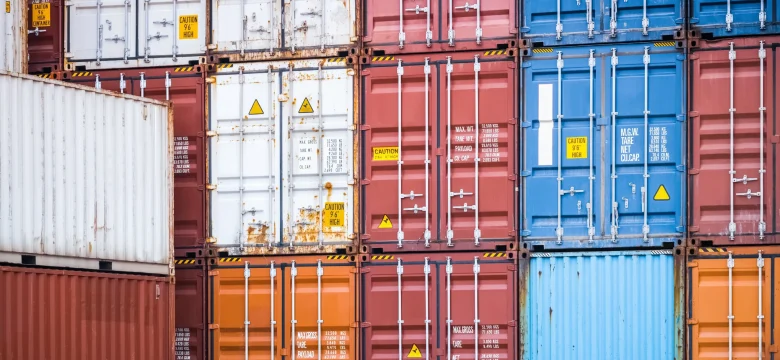
Global trade has never been more accessible for Malaysian businesses of all sizes. Yet, for many small and medium enterprises (SMEs), managing international logistics efficiently remains a challenge. Shipping full containers isn’t always practical or affordable, especially when order volumes fluctuate. This is where LCL shipping in Malaysia, short for “Less than Container Load”, offers a flexible, economical, and scalable alternative.
Understanding LCL Shipping

In the simplest terms, LCL shipping allows multiple shippers to share space within a single shipping container. Instead of paying for an entire container, each company pays only for the portion it uses. This makes LCL shipping in Malaysia particularly appealing for businesses that export smaller quantities but still demand reliable, international delivery schedules.
Shipments are consolidated at the port of origin, combined with other consignments headed to the same destination, and deconsolidated upon arrival. This process maximizes space utilization and minimizes waste, both in terms of cost and environmental footprint.
Why LCL Shipping Is Gaining Popularity in Malaysia
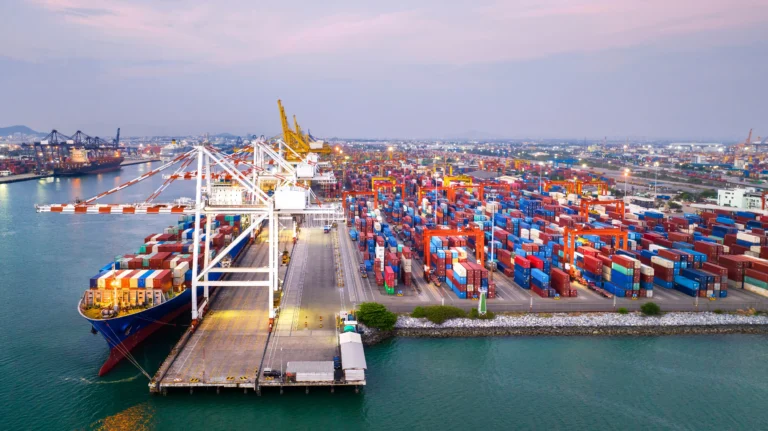
Malaysia’s growing role as a regional trade hub has accelerated the demand for smarter logistics solutions. Many local exporters and importers now prefer LCL shipping in Malaysia because it bridges the gap between speed, affordability, and flexibility.
For SMEs, it eliminates the need to wait until an entire container is filled before shipping. This means businesses can respond faster to market demands, reduce storage costs, and maintain leaner inventory levels. Moreover, it allows start-ups and small manufacturers to compete internationally without the heavy capital commitment of full container loads.
Advantages Of Choosing LCL Shipping

1. Cost-Efficiency
The most obvious benefit is cost. Since you only pay for the space your goods occupy, LCL shipping in Malaysia reduces unnecessary expenses. It’s ideal for businesses shipping lower volumes or irregular batches. For example, a local furniture maker sending five cubic meters of goods to Singapore can save significantly compared to renting a full 20-foot container.
2. Greater Flexibility
LCL gives businesses more control over their export frequency. Rather than waiting weeks to fill a container, companies can ship smaller consignments whenever needed. This keeps supply chains moving steadily and customers satisfied with shorter lead times.
3. Reduced Inventory Pressure
Maintaining large stockpiles ties up capital and warehouse space. LCL shipping supports a just-in-time (JIT) model—allowing businesses to produce and deliver in smaller, more manageable quantities. This approach reduces risks of overproduction and product obsolescence.
4. Lower Environmental Impact
With containers being shared, fewer vessels need to sail half-empty. This makes LCL shipping in Malaysia a more sustainable option by optimizing transport resources and reducing carbon emissions per shipment.
When To Choose LCL Over FCL
While Full Container Load (FCL) shipping may offer better rates per unit for high-volume exporters, it’s not always the most efficient choice. LCL is ideal when your shipment:
- Occupies less than half of a 20-foot container
- Has no urgent deadline that demands exclusive container space
- Involves products that can safely share space with other consignments
In such cases, LCL shipping in Malaysia provides a cost-conscious way to stay competitive while maintaining quality logistics performance.
Key Cost Factors To Consider
Though LCL is cost-effective, several elements influence the final shipping rate. Freight forwarders calculate charges based on:
- Cargo volume and weight (measured in cubic meters or metric tons)
- Origin and destination ports
- Handling and consolidation fees
- Customs clearance and documentation charges
Understanding these factors helps businesses plan more accurately and avoid unexpected expenses. Working with reputable freight partners ensures transparent pricing and timely communication throughout the process.
Best Practices For Malaysian Businesses Using LCL Shipping

To maximize the benefits of LCL shipping in Malaysia, proper preparation is essential.
- Package securely: Use sturdy materials and moisture-resistant wrapping to prevent damage during consolidation.
- Label clearly: Include destination, consignee, and handling instructions.
- Plan ahead: Consolidation schedules are fixed, so early booking ensures smoother coordination and shorter waiting times.
- Maintain communication: Keep in touch with your logistics provider for tracking updates and customs requirements.
By following these practices, companies can enhance efficiency, reduce transit delays, and maintain trust with their global partners.
A Smarter Way Forward

As Malaysia continues to strengthen its position in regional and international trade, optimizing logistics strategies becomes essential for sustained growth. LCL shipping in Malaysia stands out as a practical, cost-efficient, and environmentally conscious approach for SMEs and established exporters alike.
It empowers businesses to move goods more frequently, scale responsibly, and stay agile in an increasingly competitive market—all without stretching budgets or resources.