
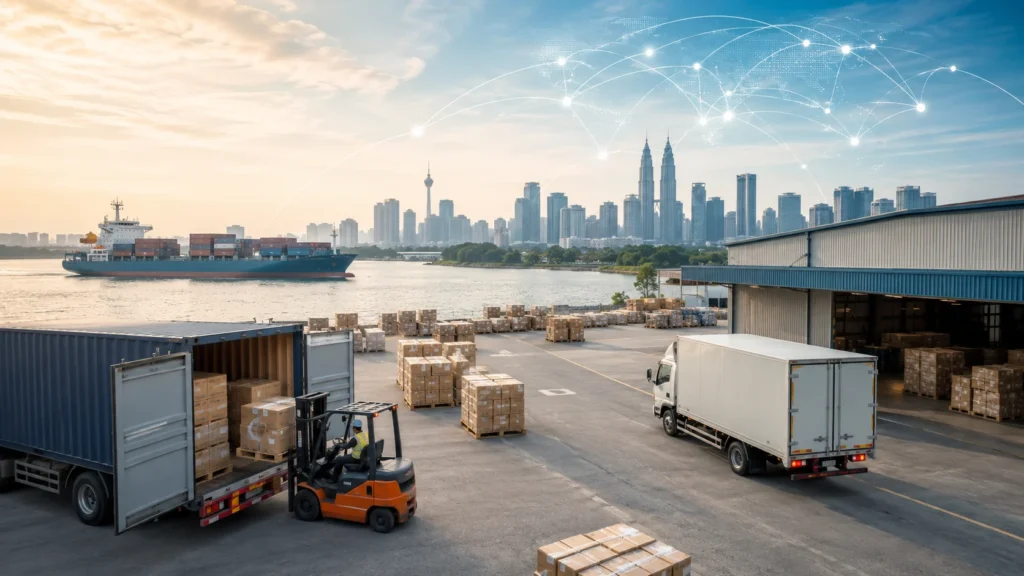
Picture this: your latest products are ready at your supplier’s factory, but the order isn’t large enough to fill a whole shipping container. In the past, this meant you had two frustrating choices: either pay for unused container space or wait weeks, even months, to group it with your next big order. This delay ties up your cash, risks stock-outs, and puts you a step behind your competitors. Thankfully, the world of logistics has moved on. With the right partner for logistics services in Malaysia, businesses can move smaller shipments more efficiently through a flexible and cost-effective method known as Less than Container Load (LCL) shipping. This approach allows you to ship smaller quantities more frequently, transforming your supply chain from a rigid cost centre into a nimble, strategic asset. In this guide, we’ll explore how you can master LCL to optimise costs, boost agility, and navigate the unique opportunities within Malaysia.
Unlocking Cost Savings with Smart LCL Strategies
The core idea behind LCL is simple: you only pay for the space you use inside a container. Your shipment is consolidated with others heading to the same destination. However, true cost optimisation goes beyond just sharing space. By partnering with a forwarder who strategically uses major ports as consolidation hubs, you can significantly reduce per-unit shipping costs. For instance, instead of shipping small parcels from multiple suppliers in China directly to Malaysia, they can be grouped at a hub like Shenzhen. This allows us to create a single, more efficient consolidated shipment into Port Klang.
Another powerful, yet often overlooked, strategy is ‘Buyer’s Consolidation’. This is particularly effective when you are sourcing from various suppliers within the same region. We can arrange for all your suppliers’ goods to be delivered to a single warehouse, often within a Free Trade Zone or strategic warehouse Port Klang location, before consolidating everything into one LCL or even a full container load (FCL) shipment under your name. Here, we’ll consolidate everything into one LCL or even a full container load (FCL) shipment under your name. This process streamlines your inbound logistics, reduces origin handling charges, and gives you a single point of control over your entire **door to door delivery malaysia** process.
Building a More Agile Supply Chain
In today’s fast-moving market, agility is just as important as cost. LCL shipping is a key enabler of this agility. By facilitating smaller, more frequent shipments, you can maintain a leaner inventory. This directly improves your cash flow, as less capital is tied up in stock sitting in a warehouse or on the water. It also minimises the risk associated with changing market trends or consumer demand. If a product line isn’t selling as expected, you aren’t left with a full container’s worth of slow-moving goods.
The goal isn’t necessarily to replace all FCL shipments with LCL. Instead, a strategic framework that balances both is often the optimal solution.
- FCL for Core Stock: Use FCL for your stable, high-volume products where demand is predictable.
- LCL for Responsiveness: Use LCL for new product launches, topping up popular items, or responding to unexpected sales surges.
This hybrid approach allows you to enjoy the economies of scale from FCL while retaining the flexibility and speed of LCL, creating a supply chain that is both cost-effective and highly responsive.
Capitalising on Malaysia’s Unique LCL Landscape
Malaysia, with its strategic location, offers unique advantages for businesses using LCL. Port Klang has emerged as a major ASEAN transhipment and consolidation hub. This means shipments from all over the world are constantly flowing through it, creating frequent opportunities to consolidate cargo. By using Port Klang as a strategic hub, we can design cost-effective routes not just into Malaysia, but also for onward distribution to neighbouring countries.
One particular challenge many Malaysian businesses face is shipping to East Malaysia. While it is a domestic route, the logistics are often more complex, resembling an international shipment. It involves sea freight, customs clearance processes at both ends, different handling procedures, and in some cases, air freight services in Malaysia when businesses need a faster route for urgent or time-sensitive cargo. For businesses in Sabah and Sarawak, LCL provides a vital, affordable link to suppliers in Peninsular Malaysia and beyond. Understanding and navigating these ‘domestic, yet international’ complexities is key to ensuring goods arrive on time and without unexpected costs.
Embracing Emerging LCL Trends
The logistics industry is rapidly evolving, and LCL shipping is at the forefront of this change. The rise of digital freight platforms has revolutionised how businesses access shipping services. Gone are the days of waiting days for a quote. Now, you can access instant LCL quotes and book shipments online in minutes. These platforms offer greater transparency in pricing and tracking, empowering you with the information needed to make quick and informed decisions.
Another trend reshaping domestic distribution is the ‘hub and spoke’ model. For LCL shipments, this involves moving consolidated cargo to a central distribution centre in Malaysia. From this ‘hub’, smaller vehicles are then used to carry out the final-mile ‘spoke’ deliveries to multiple locations. This model is far more efficient than sending a large lorry to make multiple scattered drops. It optimises domestic reach, speeds up delivery times, and reduces last-mile costs.
Adapting to Specialised LCL Requirements
Not all cargo is the same, and certain industries have specialised requirements that must be handled with expertise. For Malaysia’s vibrant Halal market, maintaining the integrity of cargo is non-negotiable. This involves working with certified forwarders who understand and implement Halal-compliant processes, from using dedicated or thoroughly cleaned container spaces to ensuring proper documentation and segregation throughout the journey. It’s about providing peace of mind that your products meet religious and regulatory standards from origin to destination. Staying informed on these industry-specific regulations and documentation needs is crucial for smooth, compliant shipping.
Your Strategic Partner for LCL Success
Mastering LCL is more than just finding the cheapest rate for a small shipment; it’s about building a smarter, more resilient supply chain. From leveraging Buyer’s Consolidation to cut costs, to using frequent shipments to improve cash flow, LCL offers a powerful strategic advantage. By understanding Malaysia’s unique position as a logistics hub and adapting to modern trends like digital booking platforms, your business can become more competitive. Navigating the complexities of freight, especially for specialised cargo or challenging routes like East Malaysia, requires expertise. Partnering with an experienced forwarder ensures your door to door delivery Malaysia process is not just a transaction, but a seamless and optimised part of your business strategy. From LCL consolidation and warehousing support to sea, air, and last-mile delivery planning, the right logistics partner helps your business stay flexible, cost-efficient, and ready for growth.
Frequently Asked Questions (FAQs)
1. How does LCL consolidation reduce costs for Malaysian businesses?
LCL reduces costs by allowing you to share container space with other shippers, so you only pay for the volume your goods occupy rather than for a full container.
2. What is ‘Buyer’s Consolidation’ and how can I use it in Malaysia?
Buyer’s Consolidation is a service where we collect goods from your multiple suppliers and combine them into a single shipment, reducing handling fees and streamlining your imports into Malaysia.
3. Can Delima Link handle Halal cargo for LCL shipments?
Yes, we provide specialised LCL services for Halal cargo, ensuring it is handled according to strict Halal logistics standards from origin to destination.
4. Why is shipping LCL to East Malaysia more complex?
Shipping LCL to East Malaysia involves sea freight and customs clearance procedures similar to international shipping, which requires expertise to manage correctly and avoid delays.
5. How can I get an instant LCL quote for my shipment to Malaysia?
You can use our digital platform on the Delima Link website to get instant quotes for your LCL shipments, providing you with quick and transparent pricing.