
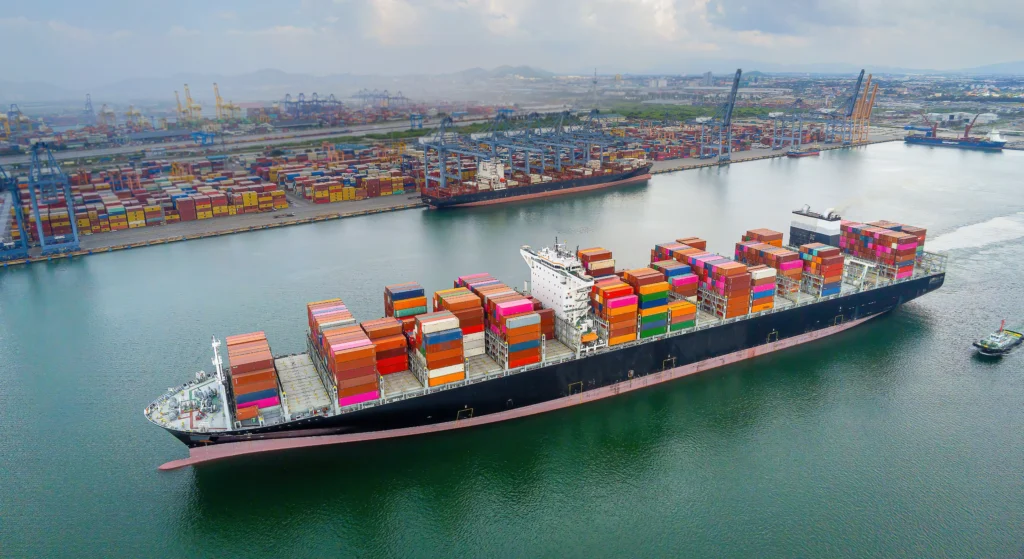
Handling international shipments with modest volumes often presents a dilemma: ship too much and tie up capital, ship too little and face inflated unit costs. That’s why we believe emphasising the advantages of LCL shipping in Malaysia is critical for Malaysian importers and exporters with small-shipment requirements. In this article we explain what LCL shipping in Malaysia means, why it makes sense for smaller consignments, and how to maximise it from three practical angles: cost-efficiency, operational flexibility, and risk-management.
What LCL Shipping in Malaysia Really Means
LCL shipping in Malaysia (Less-than-Container Load) means your cargo shares container space with other shippers, so you pay only for the volume your goods occupy. For Malaysian suppliers or buyers whose shipments don’t fill a 20- or 40-foot container, this is far more sensible than paying for an entire container. The process involves consolidation at the origin, shipment by sea, then de-consolidation at the destination port.
In Malaysia’s export/import ecosystem, this means you don’t need the full container volume to access sea-freight economics, a major plus for SMEs, e-commerce players, or seasonal exporters.
Why Cost-Efficiency Leans Heavily Towards LCL
From the cost perspective, LCL shipping in Malaysia is compelling when your shipment volume is small. Instead of bearing the full cost of a container (which often leads to paying for unused space), you pay only for the cubic metres you use.
For example, if your import/export volume is say 2-10 CBM (cubic metres) per shipment, going full container would be highly inefficient. Industry guidance suggests that if you’re under approximately 15 CBM or a few pallets, LCL is the smart route.
Moreover, smaller shipments mean less capital locked in stock, and more flexibility to order on demand. For Malaysian importers who want to test new SKUs, or exporters who have seasonal surges, LCL shipping in Malaysia offers very attractive cost-benefits.
Operational Flexibility: How Small-Shipment Shippers Win

When you run small shipments, timing, scheduling and logistics matter. With LCL shipping in Malaysia you gain:
- More frequent sailings or consolidation options, because you’re not waiting to fill a full container.
- Reduced inventory pressure: you can now receive or dispatch smaller batches, avoiding large warehouse bills or stock piling.
- Simpler origin logistics: you don’t need to coordinate full-container load volumes, which simplifies domestic trucking, warehousing and documentation.
Especially for Malaysian SMEs operating in export value-chains or e-commerce imports, this flexibility offers a real operational edge.
Managing the Risks of Small-Shipment Sea Freight
While LCL shipping in Malaysia has many benefits, small-shipment operators should be aware of certain trade-offs, and we recommend proactively managing them.
Consolidation/Transit Time
Because your cargo is pooled with others, there may be extra lead time for container consolidation at origin and de-consolidation at destination. If your delivery schedule is tight, you must factor in this added time.
Handling & Security
More handling points means slightly higher risk of damage or mis-routing compared with full-container loads. We suggest robust packaging, clear labelling and using freight partners with strong track records.
Cost Per CBM
While overall cost may be lower, the cost per cubic metre for LCL is higher than FCL (full-container) because of extra handling, documentation and consolidation. This means if your shipment volume grows substantially, you should evaluate moving to FCL.
How Malaysian Importers & Exporters Can Make the Most of LCL
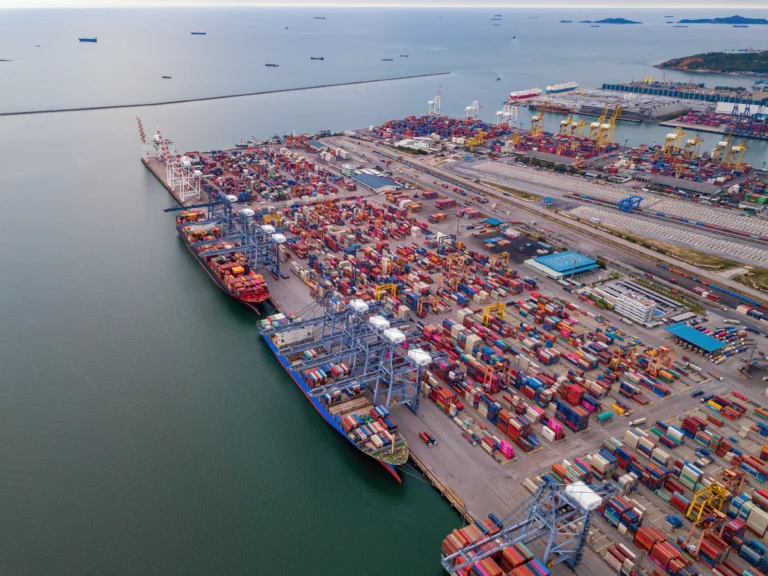
Here are practical tips for small-shipment users in Malaysia to optimise LCL shipping in Malaysia:
Accurately measure volume and weight – ensure you get precise CBM calculations so your quote is accurate.
Consolidate shipments where possible – even if volumes are small, try combining multiple SKUs or export orders into one LCL shipment to increase efficiency.
Choose freight forwarders experienced in Malaysian ports and consolidation logistics – this helps reduce delays and handling risk.
Schedule in advance, but build in flexibility – because consolidation zones may have cut-offs, early booking helps.
Focus on packaging quality – since your cargo is handled more, robust palletising or crates help avoid damage.
Monitor the volume threshold – once your shipments regularly near container volumes, run cost-comparisons to check if switching to full-container makes sense.
Conclusion
For Malaysian importers and exporters with modest shipping volumes, LCL shipping in Malaysia presents a highly effective logistics solution. It delivers cost savings, greater operational flexibility, and aligns perfectly with small-batch shipping models, such as e-commerce imports or seasonal exports. While you should remain mindful of slower transit or extra handling risks, with the right preparation and freight partner you’re set to maximise the advantages.
We are committed to helping you navigate this landscape, ensuring your small-shipment operations run smoothly, cost-effectively and reliably. When the volume makes sense, LCL shipping in Malaysia can be your strategic logistics edge.